What is a regenerative food system? Most people will immediately think of regenerative agriculture. They picture small-scale farms with colourful, diverse crops and happy animals roaming freely.
Technically speaking, regenerative agriculture combines ancient wisdom with modern techniques to store carbon in the soil, restore soil health, and bring back biodiversity on farms.
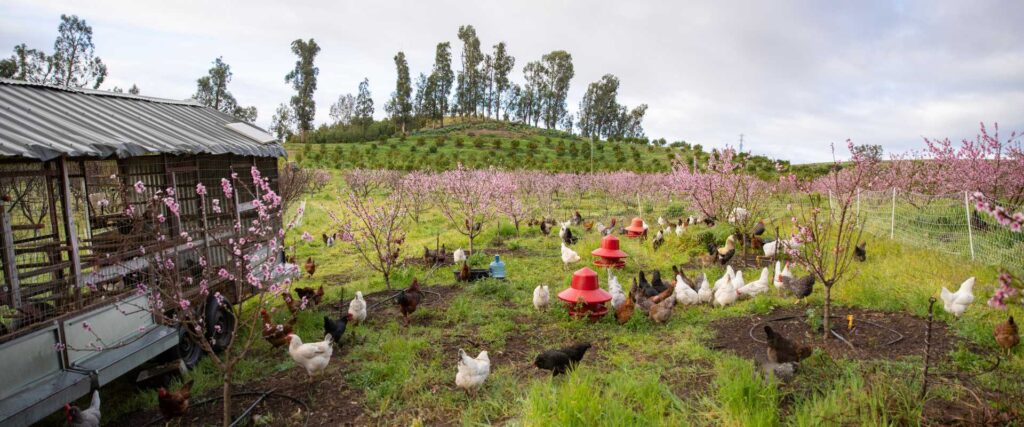
A famous example is Apricot Lane Farms, featured in the documentary The Biggest Little Farm. On completely depleted land in California, John and Molly Chester created a nature-inclusive, thriving farm in just 8 years using practices like cover cropping and composting.
The Chesters also understood that everything on a farm is connected: soil, plants, animals, and even pests all play important roles. Today, they cultivate over 200 crop varieties, raise a dozen of animal species, and have restored nearly 200 native plant species.
They also run educational programmes and sell at local farmers markets, strengthening regional economies while providing communities with affordable, organic food.
The Bigger Picture
But a regenerative food system encompasses more than farming. It considers all food-related activities you can think of: how we grow, process, distribute, consume, and even recycle our food scraps.
This means many people are involved: from bakers to truck drivers, restaurant owners to policymakers. They all have a role to play.
In a regenerative food system, all actors work together to enrich the environmental, social, and economic systems they are part of.
This is still quite abstract, so let’s illustrate with an example.
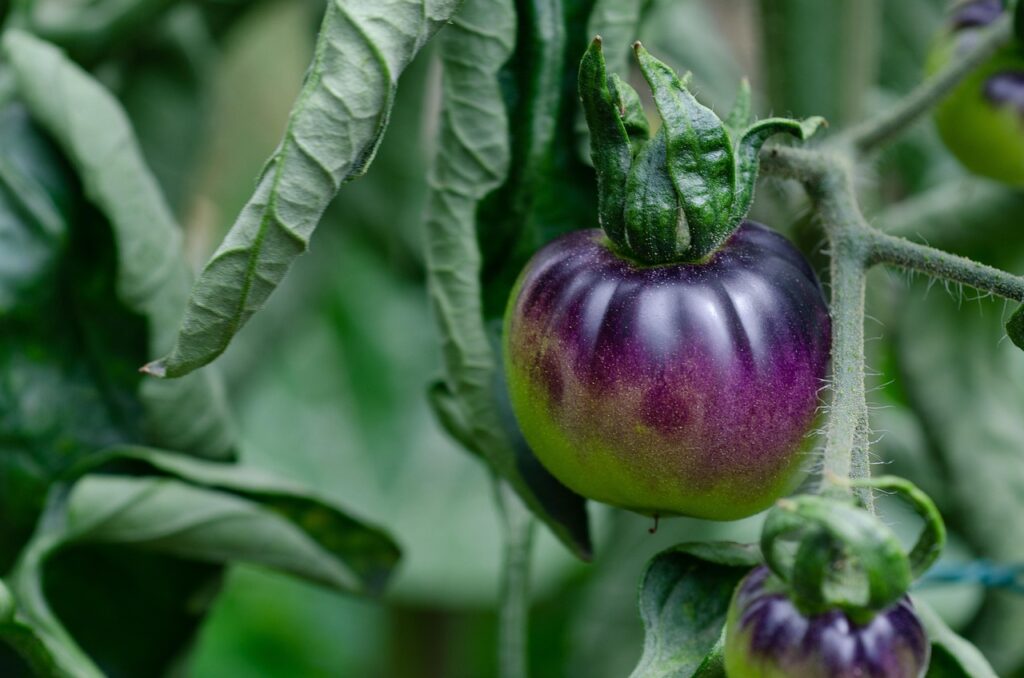
A Regenerative Tomato System
Our hypothetical regenerative tomato system connects the dots between environmental health, strong economies, and thriving communities.
The farmer grows tomatoes in a way that supports the land. Between seasons, he plants cover crops like clover to fix nitrogen in the soil. Instead of synthetic fertiliser, he uses compost from a nearby livestock farm. He avoids ploughing to protect the soil structure. Smart irrigation sensors show exactly when water is needed, so nothing goes to waste.
Around his fields, he plants strips of native wildflowers and grasses. These practices feed beneficial soil microbes, attract pest-eating insects, and build drought resistance.
The result? Lower input costs and a resilient farm that can weather storms, droughts, and pests.
Closing the Loop
Spoiled tomatoes are fed to the animals on the neighbouring livestock farm. This cuts disposal costs and recycles important nutrients back into the system.
The tomatoes are processed on-site into a delicious sauce using solar-powered machines and systems that reuse water. This cuts down on transport emissions and saves resources. The facility also creates local jobs and helps strengthen the rural economy.
The sauce is sold in reusable packaging with clear labels that explain the responsible farming practices. This builds trust with consumers.
It’s available at farmers’ markets, through direct-to-consumer platforms, and via food access initiatives. By cutting out middlemen, prices stay fair and profits support the local community.
Connection and Reciprocity
When you know where your tomato sauce comes from, you start to appreciate all the resources that made it possible. You connect with the soil that fed it, the insects that pollinated it, the water that sustained it, and the hands that grew and prepared it.
This awareness creates a sense of reciprocity. An urge to savor every bite, waste nothing, and take care of the environment that made your meal possible.
Part of the tomato sauce profits are reinvested into a social workplace where tomato skins (a byproduct from sauce-making) are turned into a powder for soups and sauces. This upcycling reduces food waste and creates inclusive job opportunities.
The examples of different actors and activities in our regenerative tomato system are endless, each playing their part in creating positive impact.
The Essence of the System
At the heart of this system is a web of relationships. By adding activities, connections, and layers, the food system becomes rooted in local communities. It brings back meaning to the way we produce and consume food.
A truly regenerative food system does not only provide food, it nourishes connections between nature, humans and our roots.